Stock Standard
5 December 2020

Written by Acme Mag
The choice of the paper stock used in your marketing helps to set the brand tone, but it doesn’t guarantee it.
Whether you consider the paper stock for your marketing to be an afterthought or something that you deliberate on, there’s one thing that should be said.
Your choice of paper stock won’t magically transform your marketing piece. By choosing a thick, linen stock, your marketing piece isn’t immediately catapulted into the light of supremacy and luxury. It is, however, a powerful tool in cohesiveness when paired with other complimentary choices. This is to say that if you have gone for a premium design, then print on premium. If your brand aesthetic is rustic, then try printing on Cotton or Kraft stocks.
Print optimisation is designed to further enhance what’s already there rather than trying to turn something into what it’s not. Whilst it may be tempting to splash out on a fancy paper stock in hope it will magically transform your marketing, you’re better off first perfecting the design and then printing on a paper stock that is complementary and continues your brand story. The paper stock you decide to print on can either make or break your design so all elements of paper stock need to be carefully considered.
Purpose
To aid the decision making process on which paper stock to print on, you should first pull apart the purpose of the marketing and then consider the thickness, materials and finishes. First ask yourself, what am I printing and what is its purpose? For example, compare printing a pre-listing kit versus printing direct mail. You should invest more in a premium paper stock for a pre-listing kit which could look like choosing a stock which is thicker and more durable, because it’s an asset people are likely to keep for a longer period of time. Direct mail on the other hand, has a purpose to update to your audience and to maintain a relationship, however it’s likely to be disposed of once it’s been read therefore spending on a more expensive paper stock would be a waste of your budget. This is not to say that you should print direct mail on the cheapest stock possible, rather it’s about finding the right balance between a stock that matches your brand image and having variations for set purposes.
Thickness
The thickness of paper is measured by GSM and the higher the GSM, the thicker the paper is. The thickness of paper stock has an enormous impact on how your design is perceived. Generally speaking, the thicker the choice of paper stock, the more durable and upmarket it appears which can elevate any premium aspects that are already within your brand and design. Another element to consider when deciding on which GSM to use, is to think about how hard-wearing the paper needs to be, which is why business cards tend to thicker.
Material
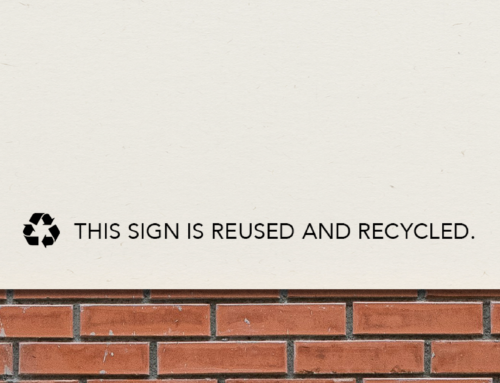
Think of the paper stock material to be an extension of your brand tone, voice and values. If you pride yourself on being an environmentally conscious agency, then consider printing on recycled paper. If you are more of a rustic or edgey agency, kraft paper can be well suited. If your agency is a luxury agency and you sell a lot of high-end homes, textured or cotton paper stock would be fitting.
Finishes
When it comes to the finish of your paper stock, whilst it’s important for it to be an extension of your brand, you should also consider the practicality of it too. Coated paper stock which is glossy in appearance, is harder to read in comparison to an uncoated finish. If there’s a lot of text in your design, then an uncoated finish is the way to go. If you’re after a way of adding an element of uniqueness to your design or perhaps you’re trying to make something in your design pop, then foil, embossing and raised finishes are great options to consider.
To summarise, good paper stock doesn’t compensate for bad design and your choice of paper stock heavily affects how your design is perceived.
If you are unsure which paper stock to decide on, your graphic designer can help you decide this as this is their expertise. So, be sure to set aside time in the design process to consider a complimentary paper stock and invest spending money with an experienced graphic designer to achieve optimal brand tone with your paper stock.